
Optimal Timing for Foundation Repairs
Foundation repairs are a critical aspect of maintaining structural integrity in properties. The timing of repairs can influence the effectiveness and longevity of the solution. Understanding seasonal and environmental factors helps determine the optimal time for addressing foundation issues.
Spring offers moderate temperatures and stable moisture levels, making it suitable for foundation work. It allows for effective soil stabilization and reduces the risk of repair delays caused by extreme weather.
Summer can be challenging due to high temperatures and potential drought conditions. However, early summer with cooler mornings can be suitable for repairs, provided adequate precautions are taken.
Fall provides cooler weather and increased soil moisture, which can facilitate foundation repair projects. It is often considered ideal before winter sets in.
Winter presents cold temperatures and potential frost, which can hinder repair work and affect soil conditions. Repairs during this time may require additional planning and insulation measures.
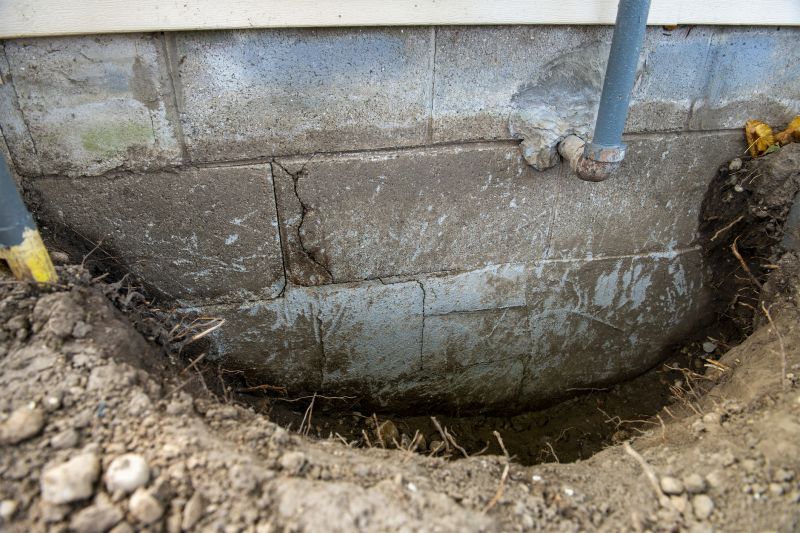
Cracks in the foundation often indicate underlying issues that may require timely repairs.
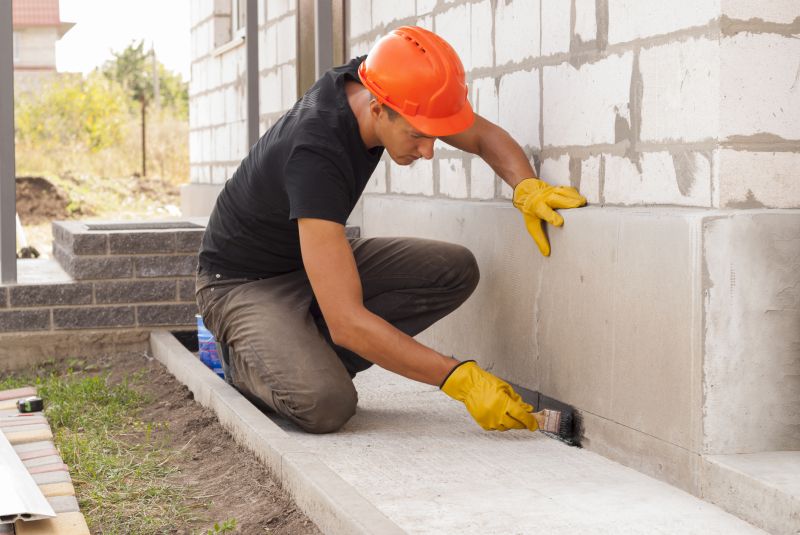
Soil movement can cause uneven settling, leading to foundation problems.
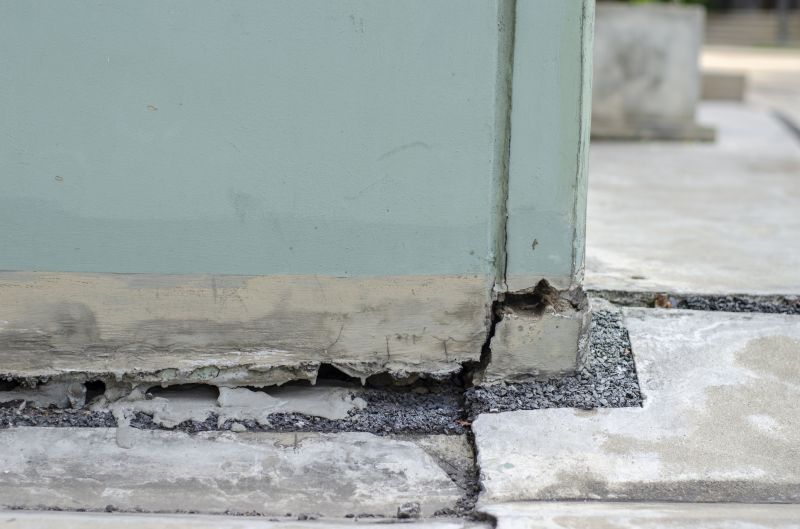
Moisture fluctuations impact soil stability around foundations.
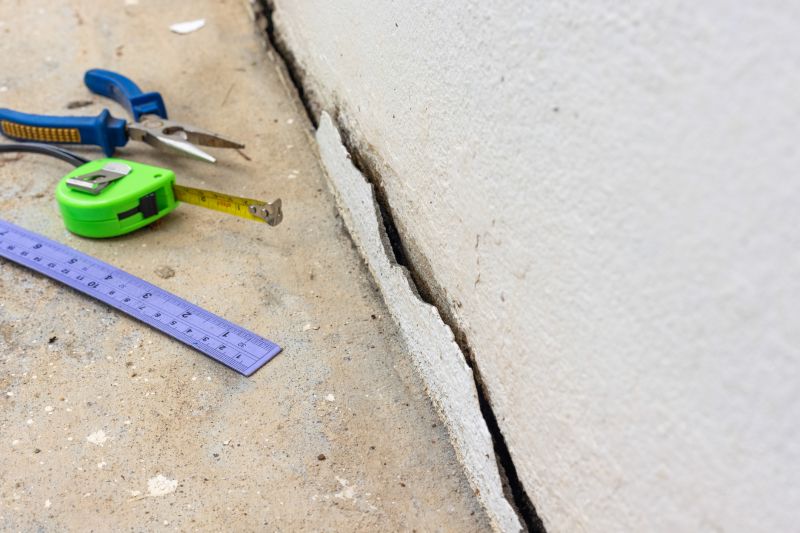
Ways to make Foundation Repairs work in tight or awkward layouts.
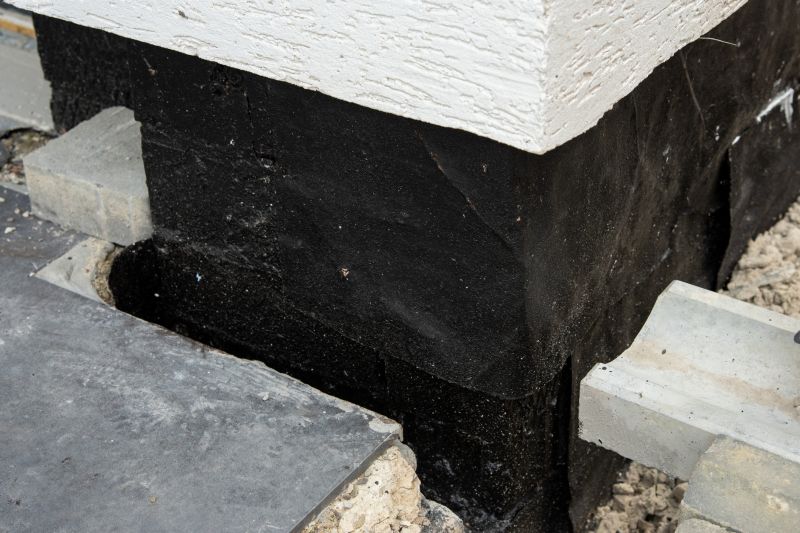
Popular materials for Foundation Repairs and why they hold up over time.
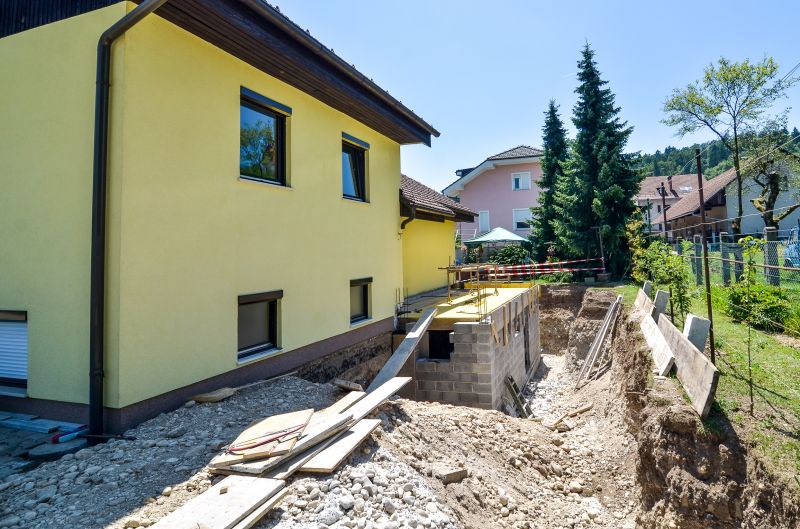
Simple add-ons that improve Foundation Repairs without blowing the budget.
| Season | Ideal Conditions for Foundation Repairs |
|---|---|
| Spring | Moderate temperatures and stable moisture levels support effective repairs. |
| Summer | Suitable in early mornings or cooler periods; avoid peak heat. |
| Fall | Cooler weather and increased moisture make it optimal. |
| Winter | Challenging due to cold and frost; requires special considerations. |
Foundation repairs involve various techniques to address issues such as cracking, settling, and shifting soil. Timely intervention can prevent further damage and costly repairs. Factors like soil type, weather conditions, and the severity of damage influence the best time for repairs. Proper planning and execution during the appropriate season ensure the stability and longevity of the foundation.
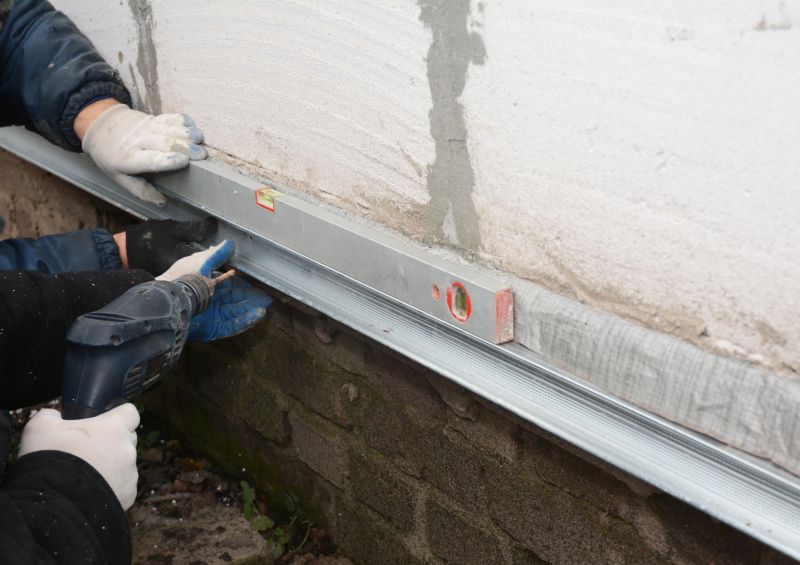
A typical repair involves underpinning, leveling, and crack sealing.
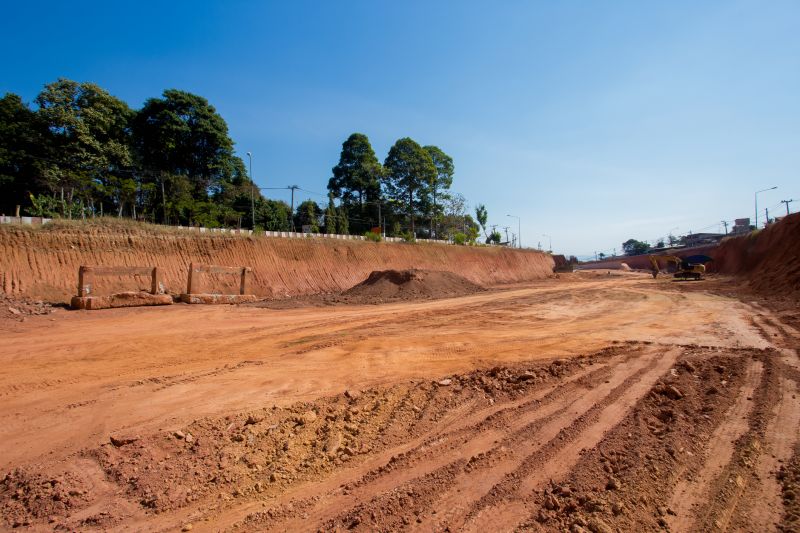
Techniques to improve soil stability around foundations.
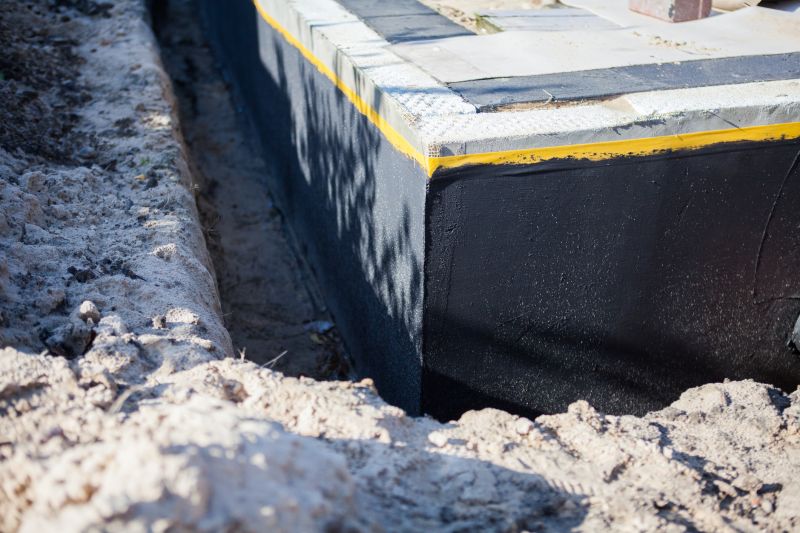
Managing moisture levels is crucial for foundation health.
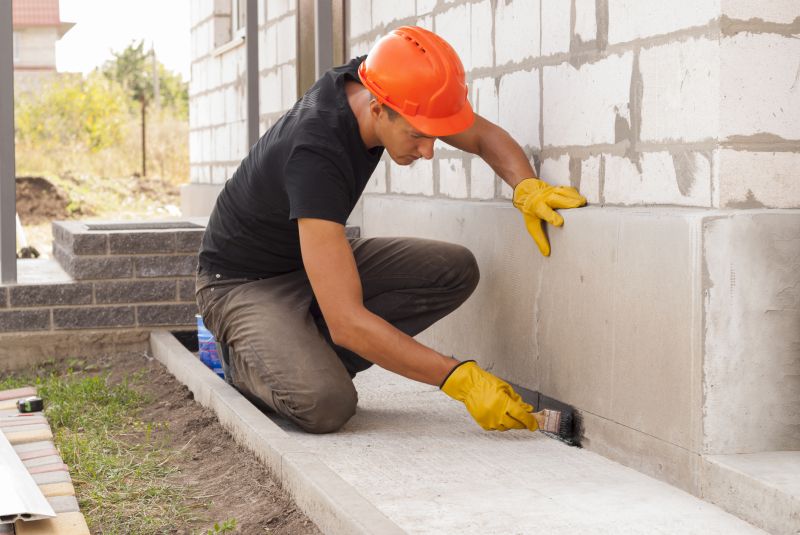
Sealing cracks to prevent water intrusion and further damage.
Prospective property owners and homeowners should consider seasonal factors when planning foundation repairs. Consulting with foundation specialists can help determine the most suitable time based on specific site conditions. Proper timing ensures that repairs are durable, effective, and less susceptible to weather-related disruptions.
Interested in foundation repair services? Fill out the contact form to get started.
